Best Low-Maintenance Backyard Ideas for Busy Arcadia Families
Arcadia families tend to want the same thing from a backyard, even if their homes and budgets are very different. They want it to look polished, feel comfortable, hold up in heat, and stop demanding every free Saturday. That last part matters more than people admit. A yard can be beautiful on paper and still become a burden if it needs constant trimming, fussy irrigation, weekly cleanup, or seasonal replanting.
In Arcadia, the challenge is specific. You are balancing sun, dry stretches, occasional heat spikes, water-conscious decision-making, and the very real expectation that the yard should still feel welcoming enough for family dinners, birthday parties, and a quiet cup of coffee before school drop-off. The best low-maintenance landscaping ideas are not about stripping personality out of a yard. They are about making smart material and plant choices so the space works harder and asks less from you.
A well-planned yard can absolutely support outdoor living ideas for Southern California properties without turning into a second job. The trick is resisting the temptation to cram every trend into one space. Most successful backyards in Arcadia share a few qualities. They are simple to navigate, planted with purpose, built around climate-appropriate materials, and designed for long-term ease rather than first-week drama.
What low-maintenance really means in Arcadia
Low-maintenance does not mean no maintenance. That promise usually leads to disappointment. Every backyard needs some care, whether that means checking drip lines, blowing leaves, refreshing mulch, or pruning a shrub once or twice a year. In practice, low-maintenance means reducing the frequency, cost, and difficulty of those tasks.
For Arcadia homeowners, that often starts with water-wise landscape design ideas. Large thirsty lawns, shallow-rooted annual flower beds, and high-overhead spray systems tend to create the biggest maintenance problems. They need more irrigation, more repairs, more fertilizing, and more cleanup. By contrast, drought-tolerant landscaping for Southern California relies on durable plants, efficient watering, and surfaces that stay presentable with minimal upkeep.
There is also the human side of maintenance. A backyard can technically be easy to care for and still be frustrating if every corner serves a different purpose. Families usually do better with broad, flexible zones. One area for dining, one area for kids or lounging, one planting scheme that repeats enough to feel calm. When the layout is clear, the whole space feels easier to live with.
Start with the layout, not the plants
One of the most common landscaping mistakes homeowners make in Arcadia is starting with plant shopping or Pinterest screenshots before they understand how they want to use the yard. That usually leads to a pieced-together result, beautiful in fragments, awkward as a whole.
When planning a complete backyard renovation in Arcadia, begin by asking three practical questions. Where do people naturally gather? Where is the hottest sun in late afternoon? What parts of the yard are you willing to maintain yourself? Those answers shape everything else, from paving and shade structures to the amount of planting that makes sense.
For busy families, the most effective layouts usually anchor the yard with hardscape first. A durable patio near the house, a path that makes sense, and one or two defined seating zones can do more for day-to-day livability than another twenty ornamental plants. This is especially true for complete backyard makeover inspiration that needs to balance adults, children, and occasional guests.
I have seen modest backyards feel twice as useful after a simple rethinking of circulation. In one typical family yard, the lawn was centered, but no one really used it. The grill sat in full sun at the far end of the property, the dining set was squeezed against a side fence, and toys spilled onto the only walkway. Once the plan was reversed, with a central patio, a smaller multipurpose turf panel, and planted borders along the edges, the space became easier to clean, easier to water, and much more inviting. The family did not gain square footage. They gained clarity.
The smartest replacement for a large lawn
A traditional lawn is often the first thing families think about when they picture a usable backyard. It looks open, safe, and kid-friendly. In reality, large lawns are one of the biggest drivers of water use and maintenance. Mowing, edging, fertilizing, bare patches, sprinkler repairs, and seasonal stress add up quickly.
That does not mean every lawn should disappear. It means it should earn its keep. A small, intentional lawn or a quality synthetic turf area can make sense if children use it regularly or if the family wants a soft play surface. The key is scale. A compact rectangular area is much easier to maintain than a sprawling lawn wrapped around planters and curves.
For homeowners focused on how to reduce outdoor water consumption, reducing lawn size is often the fastest and most visible step. In many Arcadia properties, replacing half or more of the existing turf with hardscape, decomposed granite, gravel bands, or drought-tolerant planting can dramatically simplify care while preserving the feeling of openness.
Synthetic turf deserves a realistic look here. It can be a strong option for some families, particularly where shade is limited and consistent green color is a priority. But not all turf performs the same. Lower-grade products can look shiny, trap heat, and age poorly. Pet use, drainage, and installation quality matter. A well-installed turf zone can reduce water use and eliminate mowing, but it still needs occasional rinsing, leaf removal, and brushing. It is low-maintenance, not zero-maintenance.
Plant less, repeat more
Arcadia homeowners often assume a luxury yard needs an enormous plant palette. It usually does not. In fact, some of the most elegant modern landscape design inspiration for Arcadia homes comes from restraint. Repeating a smaller number of hardy plants creates a cleaner look and makes maintenance much simpler.
This matters for trimming schedules, irrigation zones, and replacement costs. A bed filled with random species can become a management problem fast, especially when each plant wants something slightly different. Consistency is easier to care for and usually more visually calming.
Native California plants that thrive in Arcadia and other climate-adapted species often outperform high-maintenance ornamentals once they are established. They generally ask for less water, fewer soil amendments, and less intervention. That is why xeriscaping for California homes has become so attractive, not because it is stark or sparse, but because it can be lush in texture without being wasteful in practice.
A dependable Arcadia palette often includes some combination of these workhorses:
- manzanita for structure and evergreen presence
- california lilac for spring color and dry-climate durability
- deer grass for movement and minimal upkeep
- salvias for long bloom periods and pollinator support
- society garlic or lomandra for tidy edging and repeated massing
The real value of a plant list like this is not the individual names. It is the principle behind them. Choose plants that can handle local conditions, then use them deliberately. A row of lomandra under trees, a drift of deer grass near a fence, and a few sculptural manzanitas can do more than a cluttered mix of twenty species.
Shade is not optional in a family yard
Families in Arcadia use their yards more when there is reliable shade. Without it, even a beautifully renovated backyard can sit empty on hot afternoons. Shade also reduces wear on furniture, helps kids stay comfortable, and can even lower irrigation stress in adjacent planting beds.
Permanent shade structures tend to be the best investment for busy households. A solid patio cover, pergola with strategically placed screening, or pavilion near the house creates an outdoor room that feels usable most of the year. This is one of the core ideas behind luxury outdoor living spaces in Arcadia. Luxury is not always about extravagance. Often it is about comfort that holds up over time.
There is a practical side to this as well. Shaded hardscape stays cleaner-looking and often lasts longer. Outdoor fabrics fade less quickly. Entertaining gets easier because you are not moving chairs around to chase a patch of shadow. If the budget allows for only one major upgrade, a well-placed shade structure often delivers more daily value than an elaborate fire feature or oversized water element.
Hardscape choices that save time later
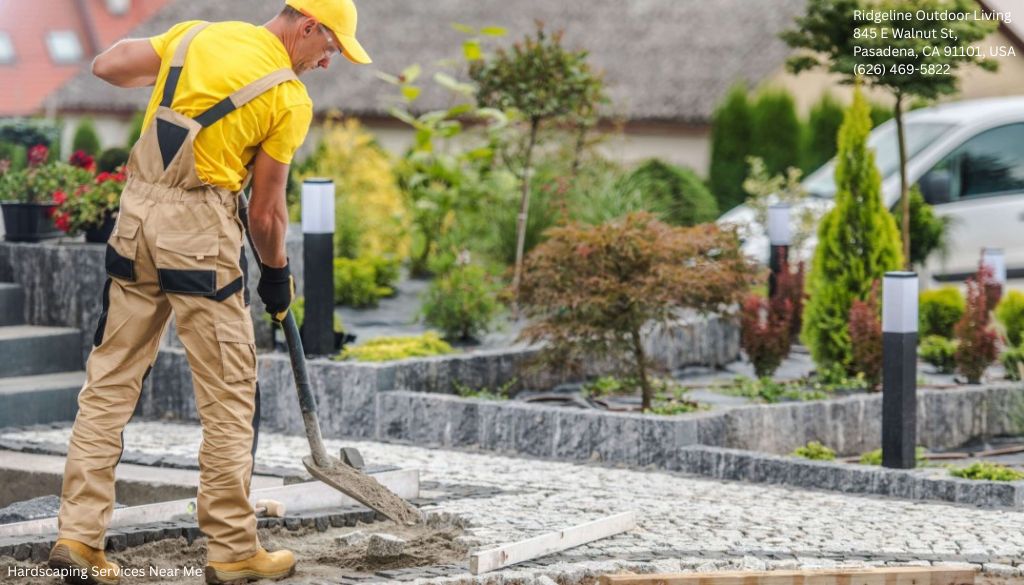
Many homeowners underestimate how much maintenance comes from the wrong hardscape. Uneven pavers, narrow grout lines that catch weeds, porous surfaces that stain easily, and gravel that migrates into every corner create work month after month.
The best low-maintenance landscaping guide backyard ideas usually involve simple materials installed well. Large-format concrete pavers, broom-finished concrete, porcelain pavers rated for outdoor use, and stabilized decomposed granite can all work beautifully in Southern California landscapes. The important thing is selecting materials that suit the use of the space and the tolerance level of the household.
Families with young kids often do best with surfaces that sweep clean easily and do not shift underfoot. If you entertain often, stain resistance matters more than people think. If the yard slopes, drainage details become critical. Water should move away from the home and not pool around planters or patio edges. These are the less glamorous parts of planning a complete backyard renovation in Arcadia, but they separate a project that photographs well from one that functions well.
Choosing the right mulch for dry climates also deserves attention. Mulch is not just decorative. It helps suppress weeds, regulate soil temperature, reduce evaporation, and improve the finished look of planting beds. Organic mulch, such as shredded bark or wood chips, works well in many beds and gradually improves the soil. Gravel mulch can be effective in more modern or desert-inspired designs, but it needs enough depth and proper weed barrier strategy to avoid becoming messy. Color matters too. Very dark mulch can absorb heat aggressively in exposed areas.
Keep the irrigation invisible and efficient
When people think about before and after landscape transformation ideas, they tend to focus on patios, plants, and furniture. Irrigation rarely makes the mood board. It should still be one of the first conversations in any serious plan.
For water-wise landscape design ideas, drip irrigation is usually the backbone. It targets roots more directly, reduces overspray, and makes it easier to separate plants by water need. That last point matters. If one thirsty planting bed shares a Ridgeline outdoor living landscaping Arcadia CA valve with drought-tolerant shrubs, something will suffer. Either you overwater the tougher plants or under-water the more delicate ones.
A smart controller can help, especially for families who travel or simply do not want to think about seasonal adjustments. Still, technology is only as good as the design. Poor emitter placement, damaged lines, and badly grouped zones waste water regardless of the controller.
If your goal is to reduce outdoor water consumption without sacrificing appearance, focus on these priorities:
- hydrozone plants by similar water needs
- use drip irrigation for beds and shrubs where possible
- limit high-spray heads to areas that truly need them
- add mulch generously to reduce evaporation
- inspect the system seasonally for leaks and clogged emitters
These changes are not flashy, but they can make a significant difference in long-term water use and plant health.
Outdoor living that does not create extra chores
The phrase outdoor living ideas for Southern California properties can mean almost anything now, from a small bistro patio to a full kitchen and lounge. For busy families, the sweet spot is usually somewhere in the middle. You want comfort and function, not a second house to maintain.
A dining area near the back door tends to get the most use, especially if the route from kitchen to table is short and shaded. Built-in seating can reduce furniture clutter and hold up well over time. A simple fire pit or fireplace may be worthwhile if the family actually spends evenings outside, but oversized features often sit idle once the novelty fades.
Outdoor kitchens are a good example of trade-offs. They can add value and make entertaining easier, but only when designed appropriately. A grill station with durable counters and storage is often enough. Full refrigeration, sinks, and elaborate appliance suites sound appealing, yet they bring higher installation costs, more maintenance, and more exposure to weather. The best luxury outdoor living spaces in Arcadia are usually edited, not overloaded.
Families also benefit from storage integrated into the design. Seat walls with hidden storage, tidy side-yard utility areas, and dedicated spots for toys or cushions help the space stay usable between gatherings. A yard that looks good only after an hour of setup is not truly low-maintenance.
How landscaping can affect property value in Arcadia
Homeowners often ask how to increase property value with landscaping in Arcadia, and the answer is less about extravagance than coherence. Buyers respond to yards that feel complete, usable, and appropriate for the home. A clean, professionally designed backyard suggests that the property has been cared for overall.
In Arcadia, curb appeal matters, but backyard appeal matters too, especially in neighborhoods where outdoor entertaining is part of the lifestyle. A well-designed patio, attractive planting, updated irrigation, and a clear sense of function can absolutely strengthen resale appeal. So can drought-tolerant landscaping for Southern California, because buyers increasingly understand water costs and maintenance realities.
The biggest value gains usually come from fixing obvious problems. Dead lawn, cracked walkways, poor drainage, failing fences, and a haphazard layout can drag down the perception of the entire property. A thoughtful renovation that simplifies maintenance while improving beauty often pays back in a broader sense, even if the exact dollar return varies with market conditions.
What to expect during a landscaping project in Arcadia
When homeowners begin choosing a landscaping contractor in Arcadia, they are often focused on style and price. Both matter, but project management matters just as much. A contractor should be able to explain sequencing, permitting if needed, rough timelines, and how the property will function during construction.
What to expect during a landscaping project in Arcadia depends on scope. A focused refresh might take a couple of weeks. A complete backyard renovation with demolition, grading, hardscape, lighting, planting, and irrigation can take several weeks or longer. Material lead times, inspections, weather, and site conditions can all affect timing.
The smoothest projects usually start with realistic assumptions. There will be noise. There may be dust. Parts of the yard will be inaccessible. Irrigation shutoffs and delivery days can disrupt routine. Good communication makes all of this manageable. Homeowners should know who their point of contact is, when major phases begin, and what decisions need to be made before crews are waiting on site.
This is also where landscaping mistakes homeowners make in Arcadia tend to surface. Changing plans repeatedly after construction starts, selecting materials too late, or trying to save money by skipping drainage or lighting usually costs more in the end. The glamorous pieces draw attention, but the bones of the project carry the result.
How to spot a strong low-maintenance design before it is built
A good landscape plan should feel calm on the page. Not empty, calm. There should be enough open space to move around comfortably, enough planting to soften the hardscape, and enough repetition to make maintenance predictable. If every corner contains a feature, the yard will likely feel busy and age poorly.
Ask yourself whether the plan solves daily life. Is there shade where people will actually sit? Is there a direct path from inside to outside? Are the plant beds sized for easy reach, or will pruning become awkward? Can the materials handle soccer balls, spilled drinks, dog traffic, and summer sun? Those questions matter more than whether the design includes the plant of the moment.
The best before and after landscape transformation ideas are often the ones that simplify. They remove awkward curves, reduce conflicting materials, consolidate planting, and create one strong focal point instead of five weak ones. That kind of discipline is what makes a yard look expensive without acting precious.
The Arcadia backyard that ages well
A backyard for a busy family should get easier after the first year, not harder. That is the benchmark worth chasing. Plants should settle in and need less water. Surfaces should prove easy to clean. Seating areas should start attracting use naturally. The whole space should feel like part of the house, not another responsibility.
That is why low-maintenance landscaping ideas are so appealing in Arcadia right now. They align with how families actually live and with the wider push toward responsible water use. Xeriscaping for California homes, native California plants that thrive in Arcadia, and well-edited outdoor living spaces are not niche preferences anymore. They are practical, durable answers to the region’s conditions.
If you are planning a complete backyard renovation in Arcadia, focus on the choices that reduce friction. Right-size the lawn. Prioritize shade. Build with durable materials. Use drought-tolerant planting in repeated masses. Invest in efficient irrigation and proper mulch. Keep the layout clean enough that the yard feels ready on an ordinary Tuesday, not just for a party.
That is what families end up valuing most. A backyard that looks good in photos is nice. A backyard that still looks good when life gets busy is the one that truly earns its place.